Heavy-duty commercial components engineered to match structural requirements across leading vehicle architectures.
The steering linkage assembly is a critical mechanical link that translates rotary input from steering gear boxes into lateral movement at the steered wheels. In the global heavy-duty logistics and construction sector, the demands placed on steering systems are immense. A vehicle's stability, directional accuracy, and structural integrity depend heavily on components such as steering drag links, tie rod assemblies, and ball joints. These parts operate in demanding environments, facing continuous exposure to dynamic shock loads, vibrational stresses, and harsh road conditions.
On a global scale, the industrial and commercial vehicle sector has evolved rapidly due to changes in regulatory compliance, safety frameworks, and cargo capacity. Heavy trucks, long-haul buses, and earthmoving machinery require zero mechanical failure paths. A failure in the steering link at highway speeds can lead to catastrophic failure. Consequently, fleet buyers, engineering procurement managers, and parts distributors prioritize structural fatigue resistance and reliable metallurgy over lower upfront costs.
"Modern transport economics require heavy commercial vehicles to maintain high uptime. Consequently, steering system components like the drag link must feature robust design, durable sealing boots, and optimized lubrication to prevent premature wear and sudden failure."
Understanding these challenges is crucial when selecting a manufacturing partner. Procurement departments look beyond basic component dimensions; they evaluate carbon content, alloy distribution, heat treatment metrics, and dimensional accuracy down to the micrometer. High-quality drag links balance stiffness (to resist deformation under high-pressure steering gear setups) with fracture toughness (to absorb shocks without cracking).
High-quality drag links are engineered through strict metallurgical control and precise manufacturing. A standard drag link must survive millions of fatigue cycles under varying loads. This performance relies on high-grade raw steel (such as 40Cr, 45# carbon steel, or AISI 4140 chrome-moly alloy) subjected to controlled hot die forging. Forged steel offers continuous grain flow aligned with the component's geometry, which improves tensile strength and fatigue life compared to cast or welded alternatives.
| Material Standard | Yield Strength (MPa) | Tensile Strength (MPa) | Key Applications |
|---|---|---|---|
| 45# Carbon Steel (Normalized) | ≥ 355 | ≥ 600 | Medium-duty commercial vehicles, standard urban buses |
| 40Cr (Quenched & Tempered) | ≥ 785 | ≥ 980 | Heavy-duty freight trucks, long-haul trailers, coaches |
| AISI 4140 Alloy Steel (Heat Treated) | ≥ 850 | ≥ 1050 | Off-road mining dumpers, heavy construction machinery |
After forging, the drag link bodies undergo heat treatment, typically induction hardening, to achieve a hard exterior shell with a tough, ductile core. This treatment prevents cracks while resisting surface wear and deformation. Ball stud components receive precision machining and super-finishing to minimize friction and play in the joint assembly.
The ball stud is the critical pivot point of the drag link assembly. Standard designs feature case-hardened ball studs polished to a mirror finish to reduce internal friction. The ball seat or socket is lined with durable, self-lubricating polyacetal (POM) or high-grade steel-on-steel interfaces for heavy-duty applications. To protect this assembly, high-durability neoprene, polyurethane, or chloroprene rubber (CR) boots are secured with stainless steel retaining rings. This prevents water, road salt, mud, and dust from entering while keeping the internal lubricant intact.
Established in 2015, Nanning Nazhihui Import & Export Trading Co., Ltd. is located in Nanning, Guangxi, China. Known as the "Green City," Nanning is strategically situated near Southeast Asia, benefiting from strong logistics and transport links. With over 14 years of international trade experience, we export to more than 50 countries, including key markets in Europe, South America, the Middle East, Africa, and Southeast Asia. Our components are manufactured to meet CE, ISO, and other international quality standards.
Nanning Nazhihui is an authorized core distributor of Yuchai Group, providing access to Yuchai's full range of diesel and natural gas engines, range-extended systems, generator sets, and new energy vehicle electric drive systems. Additionally, we are an authorized distributor of FAST transmission assemblies and spare parts, supported by dedicated technical support and direct factory access.
Through our relationships with major commercial vehicle manufacturers, we provide chassis components, body structures, electrical systems, and high-performance steering linkages—including heavy-duty drag links—compatible with leading brands:
Global procurement teams face challenges such as rising material costs, fluctuating transit schedules, and supply chain disruptions. Sourcing steering linkage parts from China offers distinct efficiency benefits, advanced manufacturing infrastructure, and specialized industrial clusters. Chinese factories have transitioned from basic manufacturing to high-end, automated precision engineering.
Our location in Nanning, Guangxi—close to Yuchai's main production facilities—allows us to coordinate with manufacturing lines, manage quality control at the source, and access replacement parts quickly. Excellent transport links via Shenzhen and Shekou ports, along with close logistics access to ASEAN countries, enable efficient sea, land, and air transport. This proximity reduces transit times and optimizes inventory management for global distributors.
All items undergo rigorous quality checks, including ultrasonic defect detection, hardness testing, and cycle testing, to ensure reliability in demanding operating conditions.
Strategic proximity to major ports like Shenzhen, Shekou, and Qinzhou guarantees rapid loading, streamlined export compliance, and reduced transit times.
We provide full customization, including custom dimensional tolerances, high-durability surface coatings, and branded packaging to meet target market needs.
Our engineering team works to meet exact technical specifications. We provide complete technical documentation, including material certifications, dimension inspection sheets, and salt-spray test results, giving international buyers clear assurance of component quality and compliance.
Different vehicles require specific steering system designs. A drag link that performs well in a city bus might not withstand the stresses of a construction vehicle. Understanding these operational differences helps avoid premature part failure and maintain safety.
In public transit and long-haul buses (such as Yutong, Higer, and King Long), steering systems undergo constant, repetitive cycling during urban driving. Drag links for these applications focus on minimizing joint wear and eliminating play. Precise tolerances ensure the vehicle tracks straight, reducing tire wear and driver fatigue over long shifts.
Long-haul trucks (such as SINOTRUK HOWO, Shacman Delong, and FAW) transport heavy loads over long distances, often on uneven roads. This requires drag links with high yield strength and excellent fatigue resistance. Induction-hardened ball joints and high-tensile forged steel links help maintain steering stability and vehicle control under full load.
Excavators, heavy haulers, and dumpers (from brands like SANY, XCMG, and LiuGong) operate in challenging environments with mud, sand, water, and debris. Steering linkages for these vehicles require robust designs, including heavy steel housings, high-impact ball joints, and protective dust boots to keep contaminants out and extend service life.
The steering component industry is moving toward lighter materials and smart monitoring systems. As electric and new energy vehicles (NEVs) grow in popularity, steering linkages must adapt. Drive-by-wire and electric power steering (EPS) systems require lightweight, precise linkages to optimize vehicle efficiency and range.
"The shift toward electric and hydrogen commercial vehicles changes axle configurations, requiring steering linkages to handle higher instant torque. As a result, metallurgy and structural engineering must evolve to support these new drivelines."
To meet these requirements, manufacturers are using high-performance micro-alloyed steels and advanced aluminum forgings. Advanced coatings, like zinc-nickel electroplating and eco-friendly coatings, are replacing old chrome-plating methods to provide better corrosion resistance in harsh climates.
When sourcing steering components from China, global buying offices should follow this verification process:
We supply high-performance parts compatible with major global truck, bus, and heavy construction equipment manufacturers.
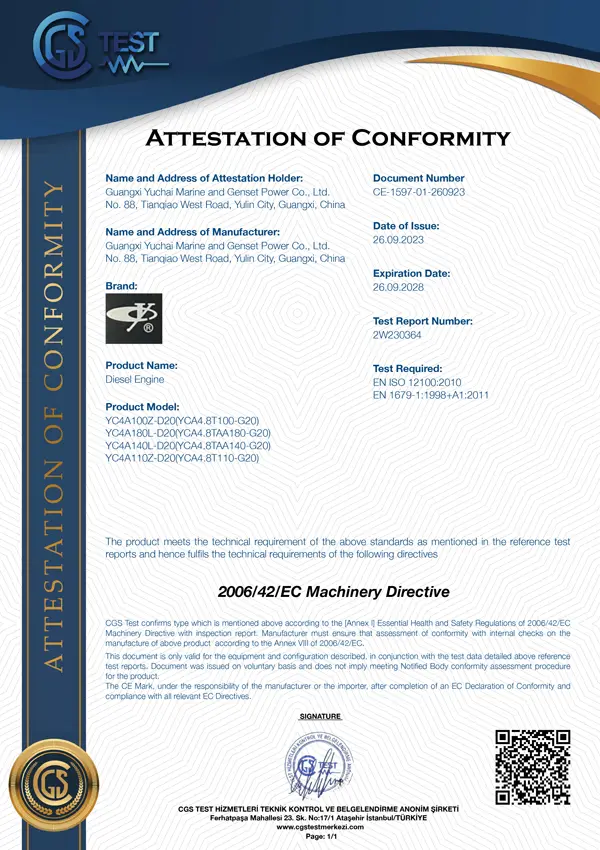
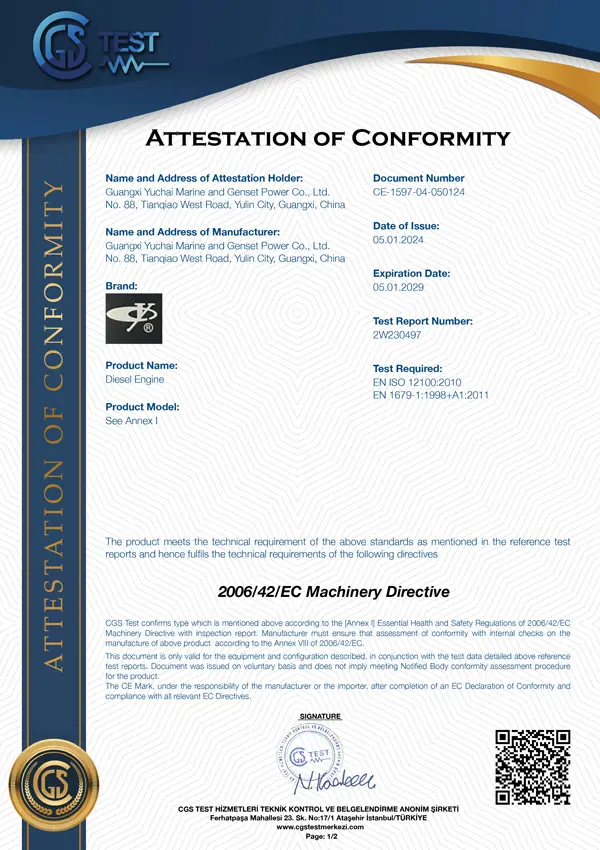
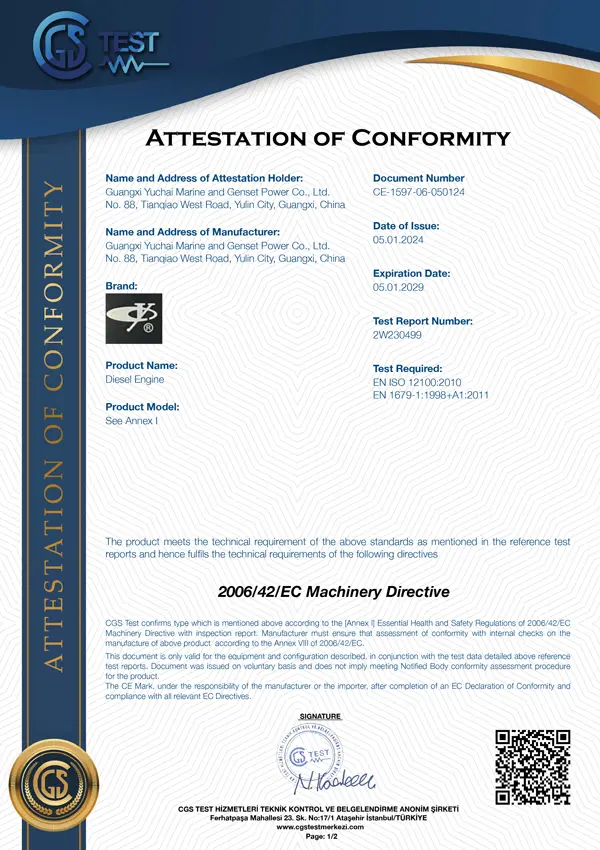
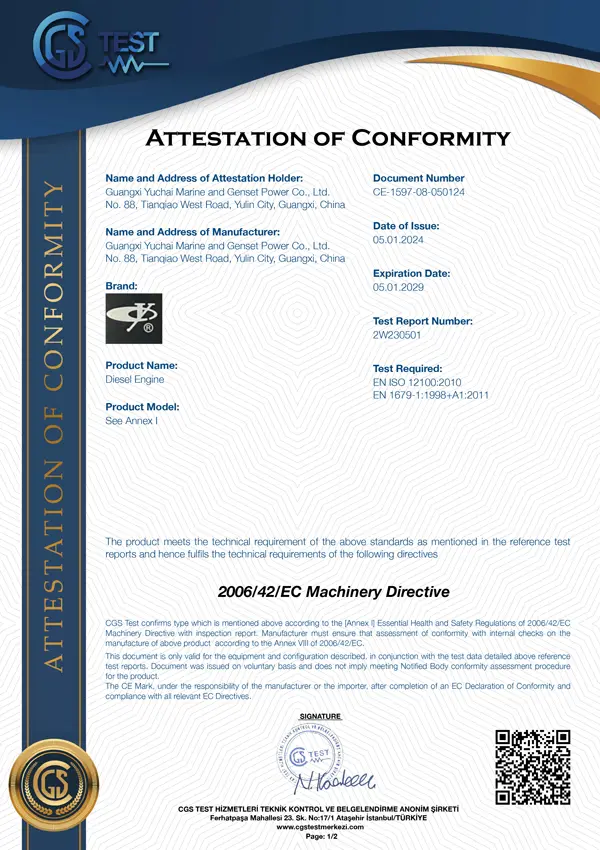
We maintain strict quality control processes verified by global inspection standards and compliance documentation.
Answers to common questions about material specifications, factory testing, and procurement processes.
We utilize high-grade carbon steels and alloy steels, primarily normalized 45# carbon steel and quenched and tempered 40Cr. For extreme-stress and mining applications, we offer AISI 4140 chrome-molybdenum alloy steel to achieve maximum tensile strength and long-term durability.
Our manufacturers employ induction hardening on the ball stud pins to increase hardness and fatigue resistance. Additionally, we use high-grade polymer seats (such as POM) and protect the assembly with ozone-resistant rubber boots and dual stainless steel spring rings to keep dirt and moisture out.
Yes. Our engineering departments can build components based on customer-provided blueprints, geometric specifications, and material requirements. We manage the development process from drafting to prototyping and mass production.
Our location in Nanning, Guangxi, provides close proximity to major factories and key transport networks. We manage logistics routes to major shipping ports like Shenzhen and Shekou, ensuring reliable transit schedules for international shipments.
We run multiple QA processes, including non-destructive ultrasonic testing for internal flaws, Rockwell hardness testing on wear surfaces, torque testing on ball joints, and salt spray testing (ISO 9227) to confirm corrosion resistance.
Yes, all commercial components are backed by our standard warranty. We provide clear quality documentation, including material analysis certifications and dimensional inspection reports, for every batch shipped.
Yes, Nanning Nazhihui is an authorized core distributor of Yuchai Group and an authorized distributor of FAST transmissions. We also supply components compatible with major vehicle brands like Yutong, Higer, and SINOTRUK.
Lead times depend on design complexity and production volumes. Generally, prototype validation takes 20 to 30 days, while bulk production and export loading are completed in 30 to 45 days.
Explore our range of heavy-duty replacement parts, engine systems, and chassis components.
 Nazhihui