China’s engine and parts sector has changed quickly, combining large factories with specialized machining workshops. This article examines China’s Top 10 Engine and Parts Manufacturers through a practical industry lens. It considers production scale, technical capability, export experience, product coverage, and quality control. These factors matter when one supplier produces thousands of cylinder heads, while another focuses on precision fuel-system components.
The ranking should not be treated as an absolute verdict. Markets change. Certifications expire. Factory performance can also vary between product lines. A visit to a clean assembly floor may reveal strong discipline, but it cannot replace testing, traceability, and customer feedback. Small details matter. Think measured tolerances, sealed packaging, documented heat treatment, and consistent surface finishing.
W. Edwards Deming, a respected manufacturing quality expert, said, “Quality comes not from inspection, but from the improvement of the production process.” His principle remains relevant to Engine And Parts manufacturing. Reliable suppliers build quality into casting, forging, machining, assembly, and final inspection. They do not depend only on sorting defective products afterward.
This introduction also recognizes an uncomfortable point: public rankings often rely on incomplete information. Revenue figures may include unrelated business divisions. Export claims may lack independent verification. Therefore, each company deserves careful review. Readers should compare specifications, warranty terms, testing records, and after-sales support before making a decision. The following selection offers a useful starting point, not a permanent answer.
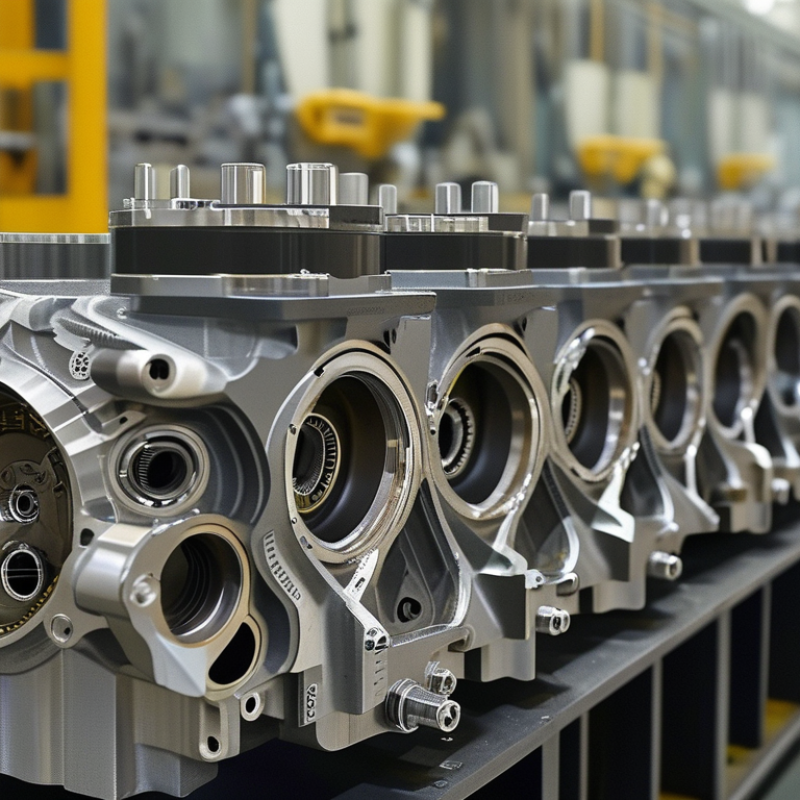
China’s engine and parts sector covers diesel engines, gasoline engines, electric power systems, filters, pumps, turbochargers, and precision components. It serves construction, agriculture, transport, marine, and industrial equipment markets. That range makes a simple “top ten” ranking unreliable. A strong manufacturer for mining equipment may not suit a small generator project.
The selection scope should begin with product fit, production scale, and documented experience. Review engine displacement, rated power, fuel efficiency, operating temperature, and compatible parts. Factory evidence matters more than polished brochures. Look for production records, laboratory testing, incoming-material checks, and traceable serial numbers. Certification to relevant quality, environmental, and safety standards adds confidence, but certificates alone prove little.
Site audits can reveal practical details. Check machining accuracy, assembly cleanliness, spare-parts storage, and final inspection procedures. Ask for sample test reports and failure-analysis records. Reliable suppliers explain warranty limits, delivery schedules, packaging methods, and technical support clearly. Export experience is useful when documentation and service networks are consistent.
No scorecard is perfect. I would not rank a factory only by annual output or low pricing. A smaller producer may offer better engineering communication and faster customization. However, that advantage can disappear without stable capacity or documented quality control. Compare at least three suppliers using the same technical drawings, inspection requirements, and after-sales questions. Small details often expose large risks.
China’s engine manufacturing industry grew from repair workshops into a broad industrial network. Early production focused on agricultural machinery and basic commercial vehicles. Later, investment improved casting, machining, fuel systems, and electronic controls. Today, the market serves passenger vehicles, trucks, construction equipment, marine systems, and power generators.
China’s top ten engine and parts manufacturers usually compete across different segments, rather than one identical field. Some specialize in diesel engines, while others supply cylinder heads, crankshafts, turbochargers, filters, or precision components.
Large production zones support strong supply chains and shorter delivery distances. However, quality is not perfectly uniform. A capable factory may still rely on outside suppliers for sensors or alloy materials. Technical records matter more than impressive production claims.
Tips: Check ISO certification, test reports, machining tolerance, warranty terms, and spare-parts availability. Request samples before placing large orders. Ask how each batch is traced. A factory visit can reveal practical details, such as clean assembly areas, calibrated tools, and realistic inspection procedures. Fuel efficiency deserves attention, but durability under local temperature, dust, and workload can matter more. Pricing alone is a weak buying guide.
China’s leading engine manufacturers serve passenger cars, trucks, ships, generators, and construction equipment. This profile examines ten major producers by manufacturing scale, engineering depth, supply reliability, and export reach. Exact rankings vary by year because production data is not always disclosed consistently. That limitation matters.
The first manufacturer focuses on high-volume vehicle engines, using automated machining lines and cylinder-bore inspection. The second specializes in commercial powertrains, where torque delivery and cooling durability matter most. The third develops compact diesel engines for farms and light construction sites. Its practical advantage is easy maintenance. The fourth supplies marine and industrial engines, testing vibration, corrosion resistance, and continuous-load performance. The fifth combines engine assembly with crankshafts, pistons, fuel systems, and electronic controls. This integration can shorten delivery times, but it may reduce supplier flexibility.
The sixth concentrates on hybrid-compatible engines and efficient thermal management. The seventh builds heavy-duty units for mining and long-haul transport, using endurance testing under severe loads. The eighth supports export markets through localized calibration, multilingual service documents, and regional parts warehouses. The ninth produces small engines for pumps, generators, and agricultural machinery. The tenth competes through remanufacturing, inspection accuracy, and replacement-part support.
A reliable assessment should examine traceable test records, stable machining tolerances, warranty response, and field-failure data. Low price alone is weak evidence. Buyers should verify fuel consumption, emissions certification, spare-part lead times, and service coverage before signing contracts. Some manufacturers still need clearer public reporting on long-term reliability.
China Top 10 Engine and Parts Manufacturers
China’s leading engine manufacturers serve commercial vehicles, construction equipment, agricultural machinery, and industrial power systems. Their core products include complete diesel engines, gasoline engines, cylinder blocks, cylinder heads, crankshafts, camshafts, pistons, valves, and connecting rods. Many also produce turbochargers, fuel injection systems, engine bearings, gaskets, and cooling components.
Production quality depends on more than modern equipment. Experienced factories use coordinate measuring machines, balancing machines, hardness testers, and engine dynamometers. These tools check dimensional accuracy, vibration, combustion performance, and durability. A reliable supplier should provide material certificates, batch records, inspection reports, and traceable testing data. Small details matter. A rough bearing surface can shorten engine life.
The strongest manufacturers often specialize in specific categories. Some focus on precision castings and machined cylinder blocks. Others concentrate on forged crankshafts, piston assemblies, or valve-train components. Several factories combine parts manufacturing with complete engine assembly and after-sales engineering support. Their capabilities may include prototype development, emission testing, heat treatment, and customized production.
However, “top ten” rankings can change with technology, export markets, and production capacity. A large factory is not always the best match for a smaller buyer. Supplier evaluation should consider tolerances, warranty terms, minimum order quantities, delivery records, and technical communication. This process is not perfect. Even detailed documents cannot replace sample testing in the intended engine.
The chart presents ten major product categories commonly covered by Chinese engine and engine-parts manufacturers. Values represent the number of representative component types within each category, rather than company revenue, market share, or production volume.
China’s engine and parts sector is shifting from volume to technical depth. The China Association of Automobile Manufacturers reported 30.16 million vehicle sales in 2023. New-energy vehicles represented 31.6% of that market. This change pressures suppliers to improve electric drive units, battery thermal systems, power semiconductors, and intelligent controls.
The technology gap is narrowing. The International Energy Agency stated that China accounted for more than 60% of global electric car sales in 2023. Domestic manufacturers now invest heavily in lightweight alloys, high-efficiency motors, and integrated power systems. Many factories use automated inspection, digital twins, and real-time production tracking. The details matter: a few grams saved in a rotor or housing can reduce material use across millions of units.
Market position remains uneven. Large suppliers often benefit from broad production capacity and established export channels. Smaller specialists may offer stronger precision or faster engineering changes. That difference complicates any “top ten” ranking. Sales volume alone is not enough. A supplier with excellent output may still lack durable overseas service networks. This is an uncomfortable weakness.
Future growth will depend on battery-electric, hybrid, and commercial vehicle demand. The IEA expects China to remain a major force in global electric mobility through 2030. However, manufacturers must manage price pressure, raw-material volatility, software quality, and stricter international compliance. Technology leadership can disappear quickly. Long-term reliability still needs more independent testing.
: They produce diesel and gasoline engines, electric power systems, and precision engine parts. Common parts include cylinder blocks, crankshafts, pistons, valves, turbochargers, pumps, filters, and gaskets. Product fit matters more than a general ranking.
Match the factory with displacement, rated power, fuel efficiency, operating temperature, and compatible parts. Check production scale and documented experience. A mining-engine specialist may not suit a small generator.
Request production records, laboratory results, incoming-material checks, and traceable serial numbers. Ask for sample test reports and failure-analysis records. Brochures are not enough.
Inspect machining accuracy, assembly cleanliness, spare-parts storage, and final inspection procedures. Look for coordinate measuring machines, balancing machines, hardness testers, and engine dynamometers. Neat floors can still hide weak controls.
No. Relevant quality, environmental, and safety certificates add confidence, but they do not prove consistent performance. Compare certificates with batch records and test data. Proof needs context.
Compare at least three suppliers using identical drawings, inspection requirements, and after-sales questions. Review tolerances, minimum order quantities, warranty limits, delivery records, and technical communication. Use the same questions.
Sometimes. A smaller producer may communicate better and customize faster. That advantage may disappear without stable capacity or documented quality control. Convenience is not capacity.
Confirm warranty coverage, delivery schedules, packaging methods, spare-parts availability, and technical support. Export experience helps when documents and service networks remain consistent. Ask what happens after failure.
This article provides an original overview of China’s engine and component manufacturing sector, explaining the criteria used to evaluate leading producers, including production scale, engineering capability, product reliability, quality management, market coverage, and investment in research. It also describes the industry’s development from traditional manufacturing toward more advanced, efficient, and digitally supported production. Key segments covered include engines for vehicles, construction equipment, agricultural machinery, marine applications, and industrial power systems.
The article profiles ten representative manufacturers without focusing on brand names, highlighting their product strengths, manufacturing capacity, technical expertise, and market positions. It also introduces major categories of engine parts, such as fuel systems, filtration products, turbocharging components, pistons, crankshafts, cylinder blocks, valves, cooling systems, and electronic controls. Finally, the discussion considers how Chinese Engine And Parts manufacturers are responding to stricter efficiency requirements, cleaner power technologies, intelligent manufacturing, export opportunities, and changing global demand.
Nazhihui