Choosing the right 2 Cylinder Engine starts with the job it must do, not the largest number on a specification sheet. A compact twin can offer manageable size, useful torque, and straightforward packaging. Its performance still depends on displacement, cooling, fuel delivery, load, and operating speed. Colin Chapman, the influential automotive engineer, is often credited with saying, “Adding power makes you faster on the straights; subtracting weight makes you faster everywhere.” That idea offers a useful lens: compare the complete machine, not one headline figure.
Begin with the application. A small pump, generator, mower, and utility vehicle place different demands on an engine. Note the required continuous power, expected hours of operation, available mounting space, and typical environment. A generator running beside a workshop wall needs attention to heat, noise, and ventilation. Listen, too. Vibration and exhaust tone can reveal whether a design suits the setting, though a brief demonstration cannot replace specifications or service records.
Next, compare fuel use, cooling method, maintenance access, parts availability, and warranty support. Check the manufacturer’s rated power and the conditions behind that rating. A lower purchase price may mean little if filters are hard to find or routine service requires awkward disassembly. Ask a dealer about local support and scheduled maintenance. These details matter in real use.
There is no universal best choice. Buyers can overvalue peak horsepower; I would question that, especially for steady workloads. This guide will help weigh those trade-offs clearly, while recognizing that the ideal engine depends on the machine, workload, and owner’s priorities.
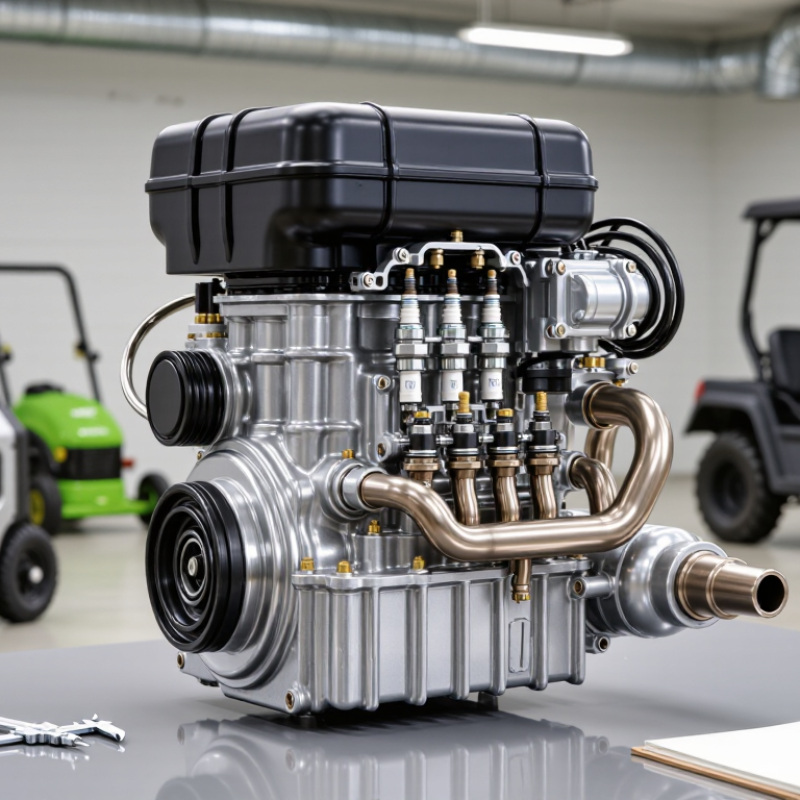
Start with the machine’s real job, not the engine’s peak horsepower. A two-cylinder engine in a mower, pump, or generator faces different load patterns: steady torque, frequent starts, or sudden load changes. Record required shaft power, working RPM, daily run time, and whether the load is continuous. Check the torque curve at the speed you will actually use. An engine that reaches its rated output only at high RPM may struggle when a pump starts or wet grass thickens. Note heat, altitude, dust, and cooling airflow, too. The European Commission’s 2014 Stage V impact assessment estimated that non-road mobile machinery contributes about 15% of EU nitrogen oxide emissions and 5% of particulate emissions. These figures cover a broad equipment fleet, not two-cylinder engines alone. Still, they show why application and emissions class matter. Numbers can deceive.
Tips: Test the engine with its actual attachment or load, including cold starts and sustained operation. Leave a practical power margin, but don’t oversize blindly; excess capacity can add cost and fuel use. I would verify the manufacturer’s ratings against your conditions rather than assume a brochure’s peak figure tells the whole story.
| Intended Application | Typical Operating Conditions | Key Engine Characteristics to Consider | Selection Guidance |
|---|---|---|---|
| Portable or standby generator | Steady electrical demand, with possible rapid load changes when equipment starts. Operation may be occasional or extended. | Continuous and standby power ratings, governed speed, starting capability, cooling capacity, and compatibility with the generator head. | Choose an engine rated for the required duty and electrical frequency. Allow for motor-starting loads and avoid sizing from peak output alone. |
| Small agricultural tractor or farm equipment | Low-speed work, variable loads, dusty surroundings, and potentially long operating periods. | Low-speed torque, torque reserve, air filtration, cooling system, service access, and suitability for the implement’s load. | Prioritize usable torque across the working speed range and effective filtration. Confirm that the cooling system is suitable for slow-speed operation and high ambient temperatures. |
| Construction or landscaping equipment | Frequent load changes, vibration, dust, outdoor exposure, and repeated starts and stops. | Transient response, air-cleaner capacity, vibration isolation, cooling airflow, starting system, and protection against debris. | Match engine output to the equipment’s peak and typical loads. Check the manufacturer’s permitted mounting angles and vibration limits. |
| Marine auxiliary equipment | Extended operation in a humid, corrosive environment, often under sustained load and with limited cooling airflow. | Marine-rated corrosion protection, cooling arrangement, exhaust routing, continuous-duty rating, and safe installation requirements. | Use an engine specifically approved for the marine application. Verify the cooling and exhaust systems, ventilation, and applicable safety requirements before installation. |
| Water pump or compressor | Often operates at a relatively stable speed, but load depends on flow, pressure, or compressor demand. | Rated power at the required speed, torque curve, speed-control method, coupling compatibility, and allowable continuous load. | Match the engine to the driven machine’s power and speed requirements. Check the pump curve or compressor specifications rather than relying only on maximum engine horsepower. |
| Utility vehicle or small mobile machine | Frequent acceleration, changing terrain, stop-and-go operation, and exposure to heat or cold. | Throttle response, low-speed torque, cooling performance, starting reliability, fuel consumption, and installation space. | Consider the full operating cycle, including low-speed work and acceleration. Confirm that the transmission or driven system is compatible with the engine’s speed range. |
| Fixed industrial equipment | Predictable loads, regular operating schedules, and access to routine maintenance. | Continuous-duty rating, service intervals, fuel availability, cooling requirements, and emissions compliance. | Choose a configuration suited to the expected annual operating hours and local regulations. Compare fuel use and maintenance needs over the full service life. |
| Important: A two-cylinder layout alone does not determine power, torque, fuel consumption, or service life. These depend on factors such as displacement, engine speed, design, tuning, cooling, and duty rating. Check the engine’s specifications for the actual ambient temperature, altitude, installation, and operating schedule. | |||
Start with the machine’s real workload, not peak horsepower. Check shaft power, working speed, daily hours, and load changes. Test the engine with its actual attachment.
Rated power may appear only at high engine speed. A pump starting or grass thickening can demand torque sooner. Brochure figures don’t tell the whole story.
Note heat, altitude, dust, cooling airflow, and cold starts. Run the engine under sustained load, too. Real conditions can be less tidy than a test sheet.
Parallel twins are often narrow. V-twins can be compact front to back, while flat twins sit lower but need more width. Fit and access matter.
They describe firing rhythm, not guaranteed power. A 180-degree crank has uneven firing intervals; a 360-degree crank fires evenly. Feel varies.
Look for figures measured using the same standardized procedure. Then check torque, weight, and vibration at your working speed. Paper comparisons have limits.
Measure the bolt pattern, shaft diameter and length, rotation, and overall height. Check rated speed and power against the equipment specification. Measure twice.
Match the engine family and model year to the equipment’s market requirements. Ask about filters, ignition parts, gaskets, starters, and lead times. Keep the serial number and specification sheet; stock can change.
Choosing the right 2 Cylinder Engine starts with understanding how and where it will be used. Consider the workload, operating environment, duty cycle, and available space, then compare engine layouts for their balance, vibration, size, and performance. Select displacement, power, and torque that meet the application’s needs without choosing more capacity than necessary.
Also evaluate fuel consumption, cooling requirements, maintenance access, and expected service life. Check that the engine will fit the equipment and connect properly to its supporting systems, and confirm that it meets the emissions requirements applicable to your location. Finally, verify that replacement parts and qualified service are reasonably accessible. Weighing these factors together helps you choose an engine that delivers dependable performance and practical long-term ownership.

 Nazhihui