How to Choose the Right Cylinder Block for Your Engine?

Time:2026-05-23 Author:Liam
0%

Choosing the right cylinder block is crucial for engine performance. The cylinder block serves as the core structure of an engine, housing vital components. According to industry reports, a well-chosen cylinder block can enhance durability by up to 30% and improve overall efficiency significantly.

Various materials, such as cast iron and aluminum, influence performance and weight. A recent study indicated that aluminum blocks can reduce engine weight by approximately 20%, aiding fuel efficiency. Understanding the trade-offs between strength and weight is essential for engine builders. Unfortunately, many overlook these factors, leading to suboptimal performance.

Building an engine is both an art and a science. Flawless execution is often hindered by a lack of knowledge about the cylinder block. It's vital to consider compatibility with other components and intended use. Research shows that choosing an appropriate cylinder block can lead to better thermal management and increased horsepower. Selecting the right one requires both expertise and careful consideration of various factors, ensuring a well-rounded engine design.
How to Choose the Right Cylinder Block for Your Engine?

Understanding the Importance of Cylinder Blocks in Engine Design

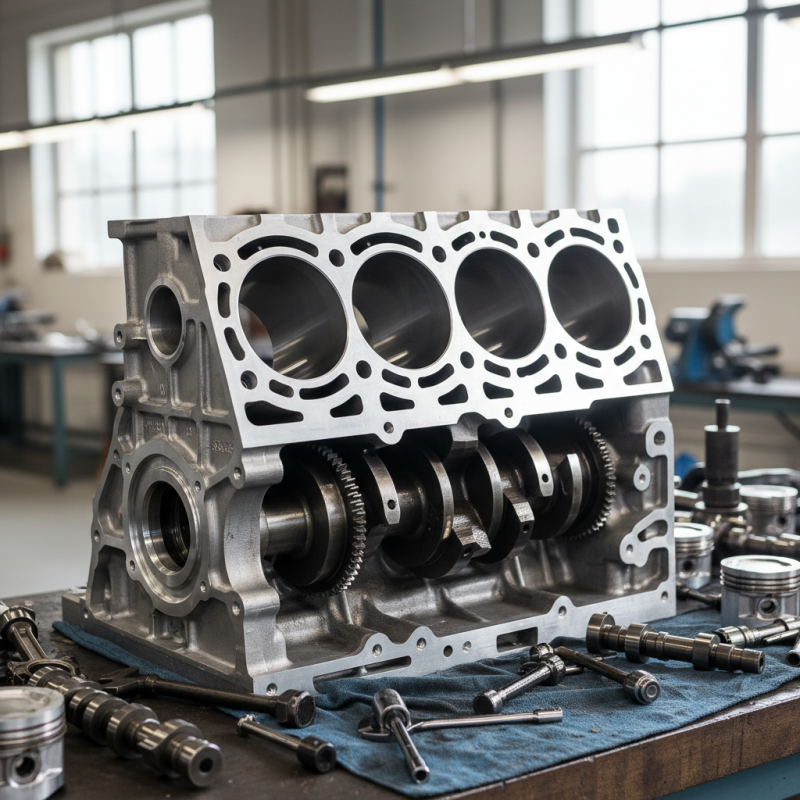
Cylinder blocks play a crucial role in engine design. They house many essential components, such as pistons and crankshafts. The material and design of the cylinder block influence the overall performance and durability of the engine. An improperly selected block can lead to severe engine issues, including overheating and mechanical failures.

Understanding the importance of the cylinder block requires insight into various factors. Different materials, like cast iron and aluminum, offer distinct advantages. Cast iron is strong and can better withstand high pressures. Conversely, aluminum is lighter and aids in improving fuel efficiency. Ignoring these characteristics can result in poor engine function.

Moreover, engineers must consider the intended use of the engine. A street vehicle requires different specifications compared to a race car. Testing and prototyping can reveal weaknesses that may not be apparent during initial design phases. An ideal choice involves meticulous evaluation of both performance goals and load requirements. Choosing the right cylinder block is not just about immediate benefits; it's about long-term reliability too.

Understanding the Importance of Cylinder Blocks in Engine Design

Types of Cylinder Blocks: Materials and Their Characteristics

Choosing the right cylinder block is critical for engine performance. Various materials are available, each with unique characteristics. The most common cylinder block materials are cast iron and aluminum.

Cast iron is known for its durability and strength. It can withstand high temperatures and pressure. According to industry reports, cast iron blocks typically have a higher thermal expansion coefficient. This means they perform well under stress. However, they are heavier, which affects overall vehicle weight.

Aluminum blocks are gaining popularity due to their lighter weight. They improve fuel efficiency and enhance acceleration. Reports indicate that aluminum blocks can reduce engine weight by up to 30%. Yet, they may not be as durable as cast iron under extreme conditions.

Tip: Always consider the application of your engine. For racing, choose lightweight materials. For heavy-duty use, cast iron may be a better fit.

It's essential to evaluate these materials based on your specific needs. Analyze how the weight and strength of the block affect your vehicle’s performance. Mistakes in choosing may lead to costly repairs later. Prioritize material choice based on your engine's intended use and performance goals.

Factors to Consider When Selecting a Cylinder Block

Choosing the right cylinder block for your engine begins with understanding key factors. Material is crucial. Most blocks are made from cast iron or aluminum. Cast iron offers durability and heat resistance. Aluminum, while lighter, may not withstand high stress as well.

Consider the engine’s intended use. Will it be for daily driving, racing, or heavy-duty work? Different applications demand different features. For racing, a lightweight block could enhance performance. For towing, stronger materials may be necessary.

Pay attention to dimensions and compatibility. Ensure the cylinder block fits your existing engine setup. In some cases, modifications may be required. This can add time and cost. Don’t overlook the importance of cooling and oiling systems. Proper design ensures longevity and reliability. As you evaluate these factors, reflection on both your needs and the block's capabilities is essential.

Compatibility with Engine Types and Performance Goals

Choosing the right cylinder block for your engine starts with understanding its intended purpose. Different engine types require specific designs and materials. A performance engine may favor aluminum blocks for weight savings and thermal efficiency. In contrast, a heavy-duty engine often relies on cast iron for durability and strength. Understanding these basic differences can make a significant impact on your project.

When considering your performance goals, compatibility becomes crucial. Higher performance may require additional modifications to your block. Engine displacement, cooling capability, and power output all play vital roles. It’s essential to assess how these factors align with your overall goals. Sometimes, the perfect block isn't the most expensive one; it’s the one that fits your specific requirements best.

Many enthusiasts overlook simple yet critical factors. For instance, fitting the block into your vehicle can be challenging. Ensure there’s enough clearance and compatibility with existing components. Engaging with experts or communities can provide valuable insights. This iterative process of selection may lead to options that were initially overlooked. Don't rush; take the time to reflect on your choices before finalizing your decision.

Maintenance and Upgrades: Maximizing Cylinder Block Longevity

Maintaining the longevity of your cylinder block requires attention to detail and regular evaluations. A study by the Engine Builders Association notes that approximately 30% of engine failures stem from inadequate maintenance. Regular inspections can help identify issues like microfractures in the cylinder walls that may lead to larger problems if left unchecked.

Upgrading components can also extend the lifespan of a cylinder block. For instance, using high-quality bearings and gaskets significantly reduces wear and tear. Statistics indicate that using these enhanced parts can improve engine performance by up to 15%. However, it’s important to acknowledge that not all upgrades yield immediate benefits. Proper installation and compatibility are crucial. Poorly matched components can create stress points, leading to unexpected failures.

Environmental conditions play a significant role as well. Engines operating in extreme temperatures, for example, experience more stress. A report from the International Journal of Engine Research highlights that maintaining optimal coolant levels can reduce overheating risks by 20%. Regularly servicing your engine in hot climates can make a significant difference. Each of these aspects emphasizes the importance of diligent maintenance and thoughtful upgrades in maximizing your cylinder block’s longevity.

FAQS

: What materials are commonly used for cylinder blocks?

: Cylinder blocks are typically made from cast iron or aluminum. Cast iron is durable, while aluminum is lighter.

How does the intended use affect cylinder block selection?

The application, like daily driving or racing, requires different features. Racing may need lightweight blocks, while towing needs stronger materials.

What are important compatibility factors to consider?

Ensure the block fits your existing engine. Modifications may be necessary, which can increase both time and cost.

Why is the design of cooling and oiling systems important?

Properly designed cooling and oiling systems ensure the engine's longevity and reliability.

How can performance goals impact block selection?

Higher performance goals may require modifications. Assess how features like engine displacement align with your goals.

What should you consider about the fit of the block in your vehicle?

Ensure there is enough clearance and compatibility with existing components; this can be a challenging aspect to overlook.

How can engaging with experts help in selection?

Consulting with experts or communities can provide insights and alternative options you may not have considered.

Is the most expensive block always the best choice?

Not necessarily; the best block is one that meets your specific requirements, regardless of cost.

Why is reflection important in the selection process?

Taking time to reflect on your needs and options can lead to better decision-making in your cylinder block choice.

Conclusion

The cylinder block plays a crucial role in engine design, serving as the foundation for various engine components and influencing overall performance. Understanding the different types of cylinder blocks, including their materials such as cast iron and aluminum, is essential for making informed decisions. Each material offers unique characteristics, impacting weight, strength, and heat dissipation.

When selecting a cylinder block, several factors must be considered, including compatibility with specific engine types and desired performance goals. Proper maintenance and potential upgrades can significantly enhance the longevity and efficiency of the cylinder block, ensuring optimal engine performance throughout its lifespan. By carefully evaluating these aspects, vehicle owners can choose the right cylinder block that aligns with their requirements and boosts their engine's capabilities.


Liam

Liam

Liam is a dedicated marketing professional with a profound expertise in the industry, where he excels at highlighting the unique advantages of our core products. With a keen understanding of market trends and consumer needs, Liam frequently updates our company’s professional blog, providing......