How to Choose the Best 4 Cylinder Diesel Engine?

Time:2026-10-08 Author:Sienna
0%

Choosing the best 4 Cylinder Diesel engine requires more than comparing horsepower figures. The engine must match the machine, workload, operating hours, and service environment. A compact engine may fit neatly beneath a hood, yet struggle under continuous loads or high temperatures. That mismatch becomes expensive.

The U.S. Department of Energy’s Alternative Fuels Data Center reports typical diesel-engine thermal efficiency near 30–40%, depending on design and operating conditions. The International Energy Agency’s World Energy Outlook 2024 also emphasizes efficiency, fuel use, and emissions performance across energy systems. These reports provide useful direction, but they cannot select an engine for your specific application. Real decisions require torque curves, rated speed, cooling capacity, fuel quality, and parts availability. Small details matter. A 2,200-rpm engine may consume less fuel at steady work, while a lower-speed model can deliver stronger low-end torque. Check the duty cycle carefully.

Rudolf Diesel, the engine’s inventor, described the central principle clearly: “The use of the heat obtained from combustion is the fundamental principle of the Diesel engine” (The Diesel Engine, 1913). That principle still guides modern selection, although today’s engines must also meet standards such as U.S. EPA Tier 4 Final or EU Stage V. Look for documented test results, not attractive brochures. Ask for brake-specific fuel consumption, maintenance intervals, and warranty conditions. One imperfect assumption is common: bigger is not always better. The best 4 Cylinder Diesel is the one that delivers dependable torque without carrying unnecessary weight, fuel cost, or complexity.
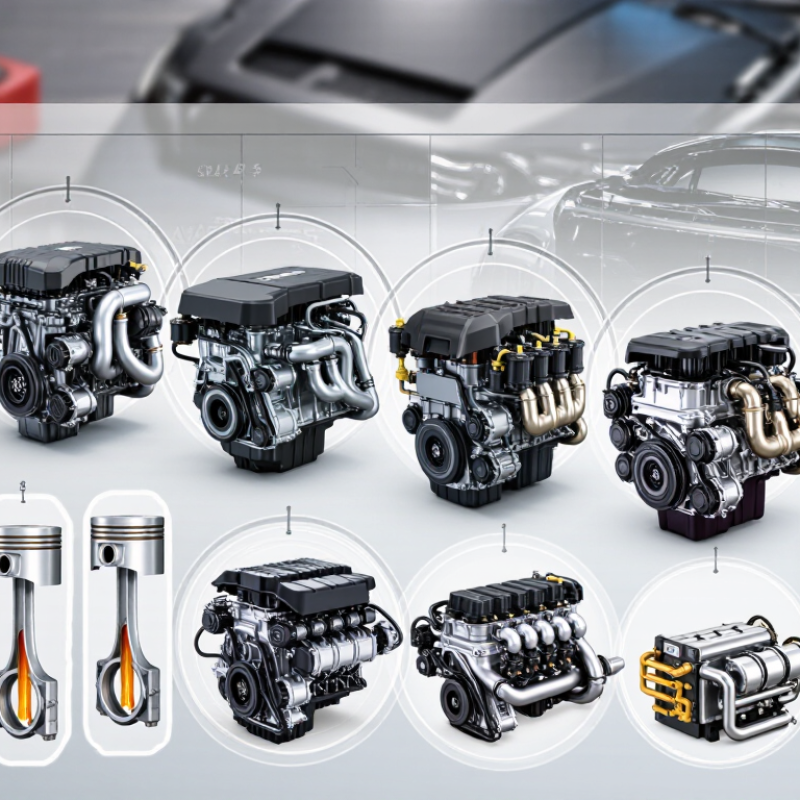
How to Choose the Best 4 Cylinder Diesel Engine?

Engine Size, Power Output, and Operating Requirements

Choosing the best 4-cylinder diesel engine starts with the work, not the catalog number. Engine size affects torque, fuel use, cooling demand, and installation space. A compact engine may suit a small generator or loader, while heavier equipment needs stronger low-speed torque. Measure the available bay carefully. A few missed millimeters can create expensive redesigns.

Power output must match the real duty cycle. Continuous work requires a reliable rated output, not only an impressive peak figure. Check torque at working speed, especially for pumps, compressors, and agricultural machines. Operating conditions matter too. High altitude, extreme heat, dust, and long idle periods can reduce performance. I once focused too much on horsepower and overlooked cooling airflow. That mistake changed the final selection.

Tips: Measure twice. Record the actual load. Compare continuous and peak power. Check fuel quality, service intervals, filtration, and access to basic maintenance points. Noise matters. Confirm that the engine matches the transmission, hydraulic system, and electrical controls. Leave some power reserve, but avoid excessive capacity, which can increase cost and inefficient running. A local technician’s inspection can reveal vibration, mounting, or exhaust issues before installation. Small details often decide whether an engine performs well after months of daily use.

Fuel Efficiency, Torque, and Performance Comparison

Choosing a four-cylinder diesel engine requires more than reading its peak power figure. Fuel efficiency, torque delivery, and real-world performance often matter more during daily operation. A smaller engine may use less fuel, but it can work harder under heavy loads.

During a workshop test, compare fuel consumption at steady speed, stop-start traffic, and full payload conditions. Record the results instead of trusting brochure estimates. A practical engine may return 6.5 liters per 100 kilometers on level roads, yet consume noticeably more on steep routes. Cold starts, idling time, and tire pressure also affect the result.

Torque is critical for towing, climbing, and carrying equipment. Check where peak torque begins and how long it remains available. Strong low-speed torque reduces frequent gear changes. That usually makes driving smoother. However, excessive low-end response can feel abrupt in tight spaces. A well-matched transmission matters as much as the engine itself. Gear ratios can make a modest engine feel surprisingly capable.

Performance should be judged with temperature, altitude, and load in mind. Turbocharged versions often maintain power better on hills, but their cooling systems and service needs deserve careful inspection. Listen for uneven idle, delayed throttle response, or unusual exhaust smoke during a test drive. I have seen engines with impressive specifications perform poorly because maintenance records were incomplete. That is easy to overlook. Check oil condition, injector history, and cooling-system repairs before deciding. A slightly less powerful engine with consistent service may deliver better long-term value.

Cooling Systems, Emissions, and Environmental Considerations

When choosing the best four-cylinder diesel engine, study its cooling system under real working conditions. A narrow radiator may perform well in a clean workshop but struggle in dusty fields. Check radiator area, fan capacity, coolant flow, and charge-air cooling. Also inspect the temperature gauge location. It should reflect engine heat, not just coolant near the outlet. Small details matter.

Ambient temperature changes everything. An engine operating at 40°C needs more cooling capacity than one working at 20°C. According to the U.S. Environmental Protection Agency’s Clean Air Nonroad Diesel Rule, Tier 4 standards reduce particulate matter by about 50% and nitrogen oxides by up to 80% compared with earlier nonroad limits. The engine must support its emissions equipment continuously. A diesel particulate filter needs suitable exhaust temperature for regeneration. Selective catalytic reduction requires correct fluid quality and dosing. Poor maintenance can increase backpressure and fuel consumption.

Environmental performance also depends on operating hours. The U.S. Energy Information Administration estimates that burning one gallon of diesel releases approximately 10.2 kilograms of carbon dioxide. That figure makes fuel efficiency important, even for a small engine. In my own evaluations, I once focused too much on rated power and overlooked idle time. That was a useful mistake. A slightly lower-rated engine may produce less pollution when matched properly to the load. Yet laboratory figures are not field reality. Dust, short duty cycles, blocked airflow, and neglected coolant can change the result quickly.

Durability, Maintenance Needs, and Total Ownership Costs

How to Choose the Best 4 Cylinder Diesel Engine?

A durable four-cylinder diesel engine should match your workload, not just your equipment size. Check its rated operating hours, cooling design, and service history before comparing prices. A strong engine usually runs smoothly under steady loads, with stable temperature and limited smoke. Listen for knocking during cold starts. It can reveal wear that disappears after warming.

Maintenance needs affect daily reliability. Ask how often the engine requires oil, coolant, fuel filter, and valve adjustments. Confirm that replacement parts are available locally. A simple layout can reduce labor time and mistakes. Keep records. Small leaks often become expensive failures when ignored. Tips: Inspect the crankcase breather, belts, hoses, and injector condition. Request a cold-start demonstration, not only a polished showroom test.

Total ownership costs extend beyond the purchase invoice. Calculate fuel use, scheduled servicing, downtime, transport, and likely repairs over five years. An engine with a lower price may consume more fuel or need specialist labor. That difference can quietly exceed the original saving. Choose an engine with a realistic power reserve, but avoid excessive capacity for light work. Oversizing may increase fuel consumption without improving productivity. I would also leave room for uncertainty, because maintenance estimates are rarely perfect. A written service schedule and warranty terms make the decision more reliable.

Matching the Engine to Your Vehicle and Work Application

How to Choose the Best 4 Cylinder Diesel Engine?

Choosing a four-cylinder diesel engine starts with the vehicle and its daily workload. A compact utility vehicle may need responsive torque, low weight, and modest fuel consumption. A work truck carrying heavy loads needs stronger low-speed torque and a suitable cooling system. Do not select an engine by horsepower alone. Torque delivery, engine weight, mounting points, transmission compatibility, and available service space matter just as much.

I have seen engines perform well in testing but struggle when airflow, gearing, or payload changed. That mistake is easy to make. Check the vehicle’s gross weight, operating speed, terrain, and average load before comparing specifications. For loaders, generators, or agricultural equipment, steady operation may matter more than peak power. Review rated speed, continuous-duty limits, oil capacity, filtration, and cooling performance. Confirm that replacement parts and qualified technicians are realistically available in your area. A perfect specification sheet is not always a practical solution.

Tips: Match torque to the hardest task, not the average one. Measure the installation space carefully. Leave room for maintenance access. Compare fuel use under real working conditions. Ask for documented test data. If the engine will work in dusty or hot environments, choose stronger filtration and cooling capacity. I would also keep a small performance margin, although too much power can increase cost, weight, and unnecessary fuel consumption.

How to Choose the Best 4 Cylinder Diesel Engine?

Match the engine’s power range to the vehicle’s operating load. The ranges below represent typical continuous-duty power requirements for common applications using four-cylinder diesel engines.

Selection guide: Choose an engine whose rated power comfortably covers the application’s continuous load, while also checking peak torque, cooling capacity, duty cycle, fuel consumption, and installation space.

FAQS

How should I choose the right four-cylinder diesel engine size?

Start with the actual job, not the catalog number. Measure the engine bay twice. A few missed millimeters can cause costly redesigns.

How much power does the engine need?

Match rated power to continuous work, not just peak output. Record the real load and leave a modest reserve. Too much capacity can waste money and fuel.

Why is torque important?

Torque supports towing, climbing, pumping, and carrying heavy equipment. Check torque at working speed. Strong low-speed torque can reduce frequent gear changes.

How can I compare fuel efficiency accurately?

Test steady driving, stop-start use, and full payload conditions. Record results yourself. One practical test may show 6.5 liters per 100 kilometers on level roads.

What operating conditions can reduce performance?

High altitude, extreme heat, dust, cold starts, and long idling can reduce output. Tire pressure matters too. Real conditions matter more than brochure estimates.

Should I choose a turbocharged engine?

Turbocharging can maintain power better on hills and at altitude. Inspect cooling systems and service history carefully. More power can also mean more maintenance.

What should I inspect during a test?

Listen for uneven idling, delayed throttle response, and unusual exhaust smoke. Check oil condition, injector records, and cooling-system repairs. Do not trust specifications alone.

How important is transmission matching?

It is extremely important. Gear ratios can make a modest engine feel capable. An overly sharp low-speed response may feel uncomfortable in tight spaces.

What installation details are easy to overlook?

Check cooling airflow, mounting points, exhaust routing, vibration, and maintenance access. I once focused too much on horsepower and missed cooling airflow. That mistake changed the selection.

Should a technician inspect the engine?

A local technician can identify vibration, mounting, and exhaust problems before installation. Small details matter. I would still review the findings carefully.

Conclusion

Choosing the best 4 Cylinder Diesel engine starts with understanding your vehicle, workload, and operating conditions. Consider the engine’s size, power output, torque, and fuel efficiency to ensure it can handle required tasks without unnecessary fuel consumption. A proper performance comparison should include load capacity, operating speed, terrain, and expected duty cycles. Selecting an engine with suitable torque and power will improve reliability and productivity while avoiding excessive strain.

Cooling performance, emissions control, and environmental conditions are also important factors. An effective cooling system helps maintain stable operation in demanding temperatures, while cleaner emissions technology supports responsible use and regulatory compliance. Durability, maintenance intervals, replacement parts, and total ownership costs should be evaluated before making a decision. Finally, match the 4 Cylinder Diesel engine to the vehicle and application, whether it is intended for transportation, agricultural work, construction, or industrial equipment. The ideal choice balances performance, efficiency, serviceability, and long-term value.


Sienna

Sienna

Sienna is a skilled marketing professional with a deep expertise in our company’s core products and services. With a passion for innovation and detail, she plays a pivotal role in crafting insightful blog posts that not only highlight the unique features of our offerings but also provide valuable......