Choosing the right Disc Brake Pads is crucial for ensuring vehicle safety and performance. According to a report from the Automotive Aftermarket Industry Association, approximately 35% of vehicle owners neglect proper brake maintenance. This can lead to compromised braking efficiency and increased risk of accidents. The right choice in brake pads can improve stopping power and reduce noise.
Several factors influence the selection of Disc Brake Pads. Material composition, such as ceramic or metallic pads, can greatly affect braking performance. For instance, ceramic pads tend to produce less dust but may wear faster under heavy use. Conversely, metallic pads often offer superior durability. Understanding these differences is essential for making an informed decision.
Moreover, many drivers overlook the importance of professional guidance when choosing brake pads. Reliable brands often come with detailed specifications and performance data. This information is invaluable for selecting pads that match your driving style and vehicle type. Reflecting on these details can lead to better choices, ultimately enhancing the overall driving experience.
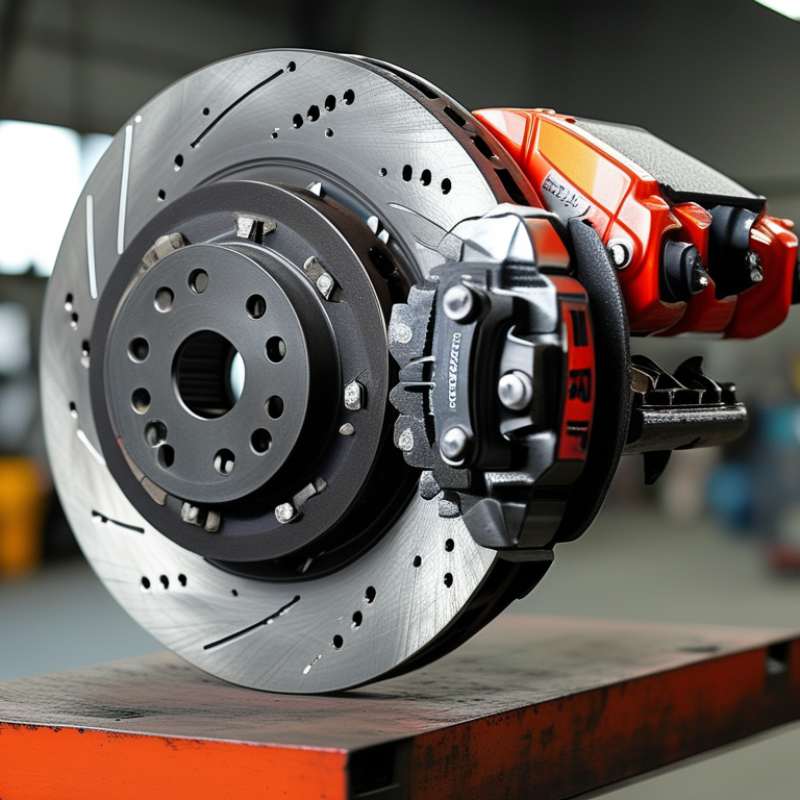
Understanding the Different Types of Disc Brake Pads Available
When it comes to disc brake pads, understanding the types available is crucial for making an informed choice. There are three major categories: organic, semi-metallic, and ceramic.
Organic pads are made from various materials, like rubber and resins. They provide a quiet operation but may wear out faster. This could mean more frequent replacements, especially for high-performance driving.
Semi-metallic pads incorporate metal fibers, enhancing their durability. They perform well in various conditions but can be noisier. In urban driving, this noise can be annoying. Choosing these pads might be suitable for heavier vehicles but requires consideration of their potential downsides.
Ceramic pads are composed of a dense material that reduces dust. They offer smooth performance and longevity, making them popular. However, they often come with a higher price point. Weighing the pros and cons of each type is essential. Each pad has unique traits affecting performance and cost. Your choice should align with your driving style and vehicle needs.
Factors to Consider When Selecting Brake Pads for Your Vehicle
When selecting brake pads for your vehicle, several factors play a critical role. One of the key considerations is the type of driving you do. If you often drive in harsh conditions, such as off-road or in heavy traffic, you may need pads designed for high performance. These will withstand heat better and provide more consistent stopping power. If you're mostly driving in urban settings, regular pads might suffice.
Another important aspect is the material of the brake pads. Organic pads tend to be quieter and produce less dust. However, they may wear out faster. On the other hand, semi-metallic pads offer better performance and durability but can be noisier.
Understanding these materials helps in making an informed decision. Additionally, consider the compatibility with your vehicle's braking system. Not all brake pads fit every vehicle, and using the wrong type can lead to reduced efficiency or damage. Researching and consulting experts beforehand can ensure that you make the right selection. Choosing the right brake pads ultimately enhances safety and performance.
Evaluating Performance Characteristics of Brake Pad Materials
When selecting brake pads, it's crucial to evaluate their performance characteristics, including materials used. The three main types of brake pads are organic, semi-metallic, and ceramic. Each type has distinct advantages and considerations.
Organic pads offer quiet operation and less dust, making them popular for everyday vehicles. However, they wear out faster and may not perform well under extreme conditions. Semi-metallic pads blend metal fibers and resin. They provide excellent stopping power and heat dissipation but can produce noise and dust.
Ceramic pads are durable and produce low dust, but can be pricier.
Tips: Always check the brake pad's coefficient of friction. Optimal performance typically ranges from 0.30 to 0.40 for most vehicles. Furthermore, consider the temperature range, as performance can be affected by high heat.
A study by the Automotive Research Association shows that choosing the right material can enhance braking efficiency by up to 40%. Many users overlook the importance of brake pad composition, leading to suboptimal vehicle performance. Evaluating specifications carefully is essential for safety and efficiency.
Assessing Compatibility with Your Vehicle's Brake System
Choosing the right disc brake pads is crucial for vehicle safety and performance. Assessing compatibility with your vehicle's brake system is the first step. It's vital to know your car's make and model, as each vehicle has specific requirements for brake pads. According to industry studies, 70% of drivers choose brake pads that don’t match their car specifications. This can lead to increased wear and poor braking performance.
When evaluating compatibility, check the thickness, material, and performance characteristics of brake pads. Different materials, such as ceramic and metallic, offer varying levels of performance. For instance, ceramic pads tend to produce less dust but may wear out faster. Metal pads, on the other hand, often provide better stopping power but can be noisier. Reports indicate that noise complaints are most common among users who opt for incompatible pads.
It's also essential to consider the type of driving you do. Aggressive driving styles may benefit from higher-performance pads, while daily commuting might require standard options. However, many overlook the importance of consulting a professional. Industry data suggests that 40% of drivers skip expert advice, risking their vehicle’s braking efficiency. Ensuring compatibility with the brake system prevents costly repairs and enhances road safety.
Installation Tips and Maintenance for Optimal Brake Pad Performance
When it comes to installing brake pads, attention to detail is crucial. According to a study by the National Highway Traffic Safety Administration, improper installation can lead to reduced braking efficiency, which can compromise safety. One common mistake is not properly cleaning the brake calipers. Any debris left can prevent the pads from seating correctly, leading to uneven wear.
For optimal performance, consider using a high-temperature grease on the caliper slides. This step helps ensure smooth movement and reduces noise. Ensure that the brake pads match the manufacturer's specifications, as mismatched components can hinder performance and longevity. Regularly inspecting your brake pads every 10,000 miles can prevent larger issues down the line.
Remember to break in new pads gradually. This 'bedding-in' process allows the pads to adapt to the rotor's surface. Skipping this step might lead to premature wear or squeaking. If you notice any vibrations while braking, it may indicate warped rotors or poor pad alignment. Keeping an eye on these details can lead to a safer and more enjoyable driving experience.
Performance Comparison of Different Types of Disc Brake Pads
This bar chart illustrates the performance ratings of various types of disc brake pads. Organic pads provide a good balance of performance and comfort, while semi-metallic pads offer improved overall braking performance. Fully metallic pads achieve the highest performance rating, but may lead to more wear on rotors and are typically noisier. Ceramic pads are known for their quiet operation but offer slightly lower performance compared to others.
FAQS
: The three main types are organic, semi-metallic, and ceramic. Each type offers different benefits.
Organic pads are quiet and produce less dust. They're good for everyday vehicles but wear out faster.
Semi-metallic pads provide good durability and heat dissipation. They can be noisy and may produce more dust.
Ceramic pads are durable and create low dust. They typically have a higher price but offer smooth performance.
The right material can improve braking efficiency by up to 40%. Many overlook material selection, impacting safety.
Most vehicles perform best with a coefficient of friction between 0.30 to 0.40. Checking this is crucial.
Yes, driving style and conditions influence which brake pads are suitable. Urban driving may require different pads.
They may not perform well under extreme conditions. Their faster wear could lead to more frequent replacements.
They are suitable for heavier vehicles and provide strong stopping power. However, the noise can be a downside.
High temperatures can impact performance. It's essential to consider the temperature range when selecting brake pads.
Conclusion
Selecting the right disc brake pads for your vehicle is crucial for ensuring safety and performance. Understanding the different types of disc brake pads available—such as organic, semi-metallic, and ceramic—can help you make an informed choice. When evaluating brake pads, consider factors like driving conditions, vehicle type, and braking performance characteristics, as different materials provide varying levels of durability, heat resistance, and noise levels.
Compatibility with your vehicle's specific brake system is another essential aspect; improper fit can lead to decreased effectiveness and increased wear. Proper installation and regular maintenance are also vital for optimizing the performance of your disc brake pads. By considering these factors, you can enhance your vehicle's braking system and ensure a safer driving experience.

 Nazhihui