Best Injection Pump for Efficient Fuel Management Solutions?

Time:2026-06-10 Author:Liam
0%

The efficiency of fuel management solutions is crucial in today's energy landscape. In particular, the role of the Injection Pump cannot be overstated. This component is vital for optimizing fuel delivery in various engines. According to the latest industry research, efficient injection systems can improve fuel economy by up to 15%. This is significant considering rising fuel prices.

Yet, not all injection pumps are created equal. Some models may promise high efficiency but fall short in real-world applications. Reports suggest that about 25% of fuel delivery issues stem from suboptimal injection pump performance. Choosing the right injection pump requires careful analysis of engine specifications and fuel types. A reliable injection pump can enhance combustion efficiency and reduce emissions, aligning with global sustainability goals.

Understanding the technical intricacies of injection pumps is essential for any industry aiming to improve fuel management. The best options often feature advanced technology. However, it's important to acknowledge that regular maintenance and checks are needed. Inattention to these factors can lead to inefficient fuel usage and increased operational costs. Balancing performance and reliability is key to making informed choices in fuel management solutions.
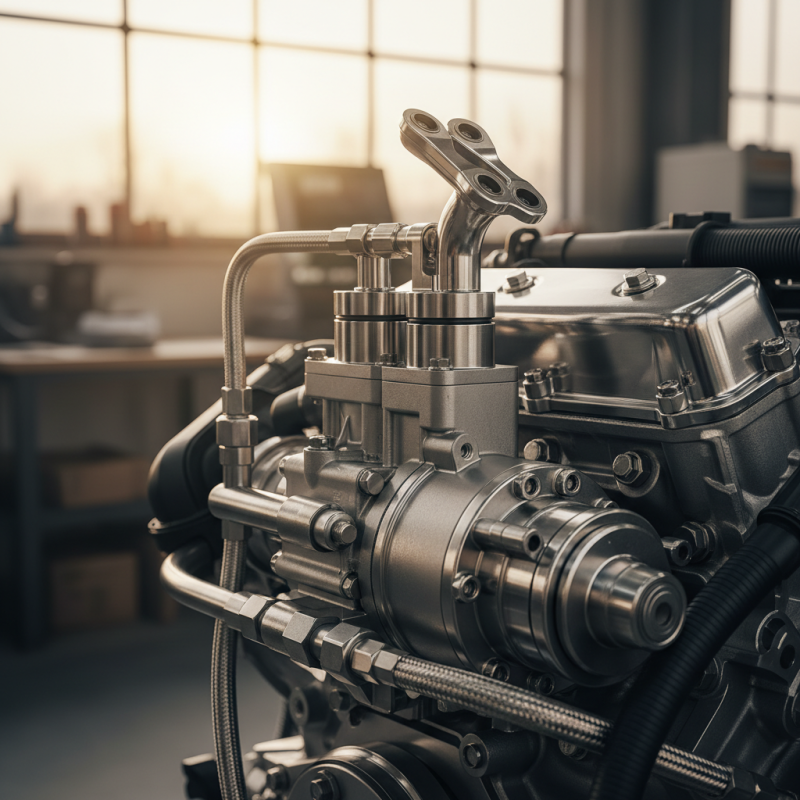
Best Injection Pump for Efficient Fuel Management Solutions?

Understanding the Role of Injection Pumps in Fuel Management

Injection pumps play a crucial role in fuel management. They ensure efficient fuel delivery to engines. This efficiency can significantly impact a vehicle's performance and emissions. According to recent industry reports, well-optimized injection systems can improve fuel efficiency by up to 15%. Understanding how these pumps function helps in making informed decisions about fuel management.


Injection pumps work by controlling the amount of fuel injected into the combustion chamber. They regulate fuel pressure and timing, which affect combustion quality. However, not all injection systems are equal. Poorly maintained pumps can lead to fuel wastage and increased emissions. Regular maintenance checks are essential for optimal performance. Data suggests that nearly 30% of injection-related failures are due to neglect.


Modern injection pumps incorporate advanced technologies. These include electronic control units that ensure precise fuel delivery. However, the initial costs can be higher compared to older mechanical pumps. Fuel management is complex and requires a balance between efficiency and cost. Considerations should be made for each vehicle type and its unique requirements. Each approach may reveal unexpected challenges that call for reevaluation of strategies.

Types of Injection Pumps: A Comparison of Technologies and Efficiency

When evaluating injection pumps, understanding the different types and their efficiencies is crucial. Common types include unit injectors, inline pumps, and rotary pumps. Each type caters to specific fuel management needs. According to a 2021 report by the International Energy Agency, efficient fuel injection systems can increase engine performance by up to 30%. This highlights the importance of selecting the right technology for optimal results.

Unit injectors often provide high-pressure performance suitable for diesel engines. They are known for their precision and capability to atomize fuel effectively. Inline pumps, on the other hand, are simpler in design and commonly used in smaller applications. Their lower complexity can lead to easier maintenance, though they may not match the efficiency of unit injectors. Rotary pumps are typically favored in larger industrial engines. Their robust construction and adaptability make them versatile but can come at a higher initial cost.

Tip: Regular maintenance of injection pumps can enhance fuel efficiency dramatically. Clean filters and check for leaks to prevent performance issues.

In terms of efficiency, rotary pumps can yield up to 90% pumping efficiency. However, their performance can suffer from wear over time. Consider conducting routine checks to assess the condition of pump components. Identifying potential problems early can prevent costly repairs later. This reflective approach helps ensure that your injection pump remains reliable and efficient in the long run.

Key Features to Look for in an Efficient Injection Pump

When selecting an efficient injection pump, several key features should be prioritized. A high-performance pump is essential for optimal fuel management. Look for a pump with precise flow control and a high injection pressure range. According to industry reports, pumps that can maintain a pressure of over 2000 bar significantly enhance fuel atomization, leading to improved combustion efficiency.

Reliability is another crucial aspect. Pumps must withstand high temperature and pressure variations. A study showed that durability can reduce maintenance costs by approximately 20%. Consider models with advanced materials designed for longevity. They offer a better return on investment over time. Regular performance evaluations can help identify issues before they escalate.

Tips: Always check the pump's compatibility with your engine type. Incompatible pumps can lead to inefficiencies and increased wear. Monitoring fuel delivery rates can also reveal performance trends. Adjustments to fuel settings should be made based on observed data for better efficiency. Remember to reflect on the pump's operational history; consistent checks can lead to significant savings over time.

Industry Standards for Injection Pump Performance and Efficiency

The performance and efficiency of injection pumps are critical for optimal fuel management. Industry standards, such as those set by the American Society for Testing and Materials (ASTM), emphasize precision and sustainability. Reports indicate that well-calibrated pumps can improve fuel consumption efficiency by up to 15%. This statistic indicates significant potential for cost savings and environmental benefits.

However, achieving optimal performance requires diligence. Regular maintenance and calibration are essential. A study by the Department of Energy shows that pumps left unchecked can lose up to 30% of their efficiency over time. Even slight deviations in settings can lead to increased emissions and operational costs. This reality highlights the importance of adhering to industry standards, such as ISO 9001, which focuses on quality management systems.

Ultimately, while injection pumps play a vital role, their effectiveness can degrade without consistent oversight. Even with advanced technology, the human element remains crucial. This necessitates ongoing training and awareness within the industry to meet and exceed established performance benchmarks. Engaging in continuous improvement is not just a recommendation; it’s a necessity for sustainable fuel management solutions.

The Impact of Injection Pump Calibration on Fuel Economy and Emissions

Calibration of injection pumps directly influences fuel efficiency and emissions. A well-calibrated pump optimizes fuel delivery to the engine. This adjustment helps achieve the right air-fuel mixture. An improper calibration can lead to incomplete combustion. This results in higher emissions and wasted fuel.

Many factors affect fuel economy, including pump performance. A pump that delivers too much fuel can cause excess soot. On the other hand, too little fuel can choke the engine, impairing performance. These issues can complicate vehicle maintenance and overall efficiency. Advanced calibration techniques can help balance these variables, ensuring better outcomes.

Regular inspections are crucial for keeping the injection pump functioning optimally. Neglect can lead to costly repairs down the line. Monitoring performance metrics can also provide insights into necessary adjustments. This approach promotes sustainable fuel usage and reduced emissions over time. Regular calibration checks can result in improved engine life and lower overall operational costs.

FAQS

: What are the common types of injection pumps?

: The common types include unit injectors, inline pumps, and rotary pumps. Each serves different fuel management needs.

How does the right injection pump affect engine performance?

Selecting an efficient pump can enhance engine performance by up to 30%. This choice is vital for optimal operations.

What is a notable feature of unit injectors?

Unit injectors provide high-pressure performance. They are precise and effective at atomizing fuel for diesel engines.

Why might someone choose an inline pump?

Inline pumps have simpler designs. They are easier to maintain and are often suitable for smaller applications.

What efficiency can rotary pumps achieve?

Rotary pumps can yield up to 90% efficiency. However, their performance can decline due to wear over time.

How can regular maintenance impact injection pumps?

Regular maintenance enhances fuel efficiency. Clean filters and checking for leaks are crucial for preventing performance issues.

What happens if injection pumps are neglected?

Neglected pumps can lose up to 30% efficiency. Even small deviations can increase emissions and costs.

Why is adherence to standards important?

Following industry standards promotes precision and sustainability. It ensures optimal performance and can lead to significant cost savings.

What are the risks of operational oversight?

Without consistent oversight, pump effectiveness can decline. Continuous training and awareness are essential for improved performance.

What is the human element's role in pump efficiency?

Even with advanced technology, human oversight is necessary. Continuous improvement helps meet performance benchmarks in fuel management.

Conclusion

The article "Best Injection Pump for Efficient Fuel Management Solutions" delves into the critical role of injection pumps in optimizing fuel management. It highlights various types of injection pumps, comparing their technologies and efficiency levels, which is essential for understanding the best options available in the market. Key features that should be prioritized when selecting an efficient injection pump include reliability, precision, and adaptability to different fuel types.

Moreover, the article emphasizes the importance of adhering to industry standards regarding injection pump performance. Proper calibration of injection pumps is discussed as a significant factor affecting fuel economy and emissions, demonstrating how precision in fuel delivery directly impacts environmental outcomes and operational costs. Overall, this comprehensive analysis serves as a guide for those looking to enhance fuel management efficiency through the selection of the right injection pump.


Liam

Liam

Liam is a dedicated marketing professional with a profound expertise in the industry, where he excels at highlighting the unique advantages of our core products. With a keen understanding of market trends and consumer needs, Liam frequently updates our company’s professional blog, providing......