For fleet operators, repair shops, and equipment distributors, choosing a reliable injector parts supplier can affect repair time, engine performance, and operating costs. Injector Parts must match the application, meet clear quality expectations, and arrive when maintenance schedules require them. Yet supplier claims can sound similar, while product range, documentation, and after-sales support vary considerably.
Details matter. A useful comparison looks beyond price to catalog coverage, manufacturing or sourcing transparency, inspection practices, warranty terms, and communication across time zones. Buyers should confirm part numbers, fitment information, material specifications, and the availability of technical assistance before placing larger orders. These checks cannot remove every risk, but they can reveal gaps early. Not every option fits.
This guide introduces seven suppliers for global buyers and outlines practical points to consider when assessing each one. It is intended to support informed research, not replace application-specific verification or direct supplier checks. Some details may change, and that is worth remembering. Request current product information and confirm compatibility with qualified technicians before purchase. A careful comparison can help buyers find a supplier suited to their volume, equipment needs, and service expectations. No single supplier will be ideal for every market.
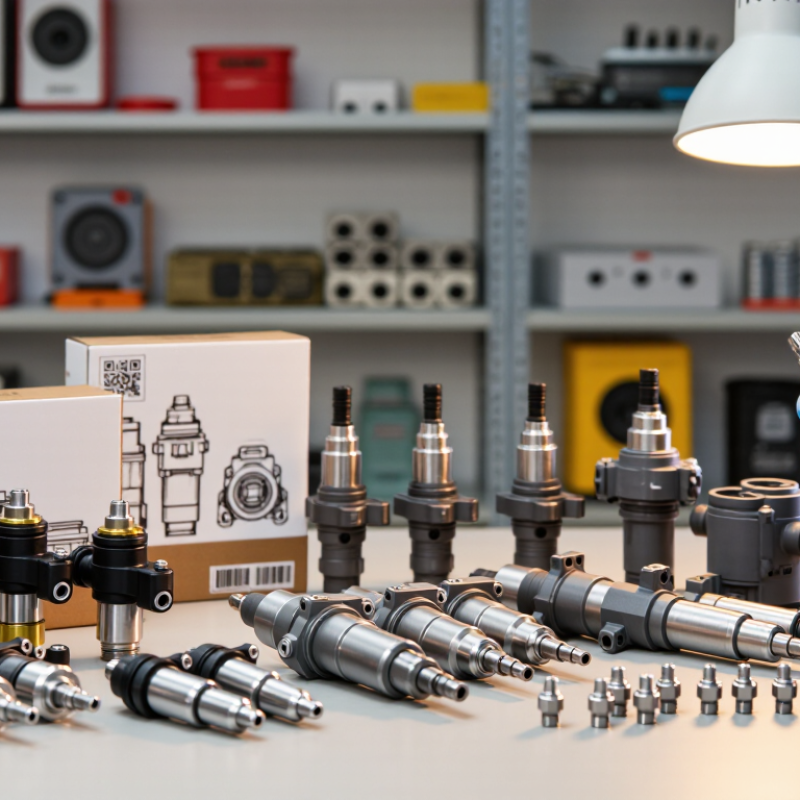
Understanding Injector Parts and Their Role in Fuel Systems
An injector meters fuel into an engine in a controlled spray, helping it mix with air for combustion. Its body holds precision parts, including a nozzle, needle valve, and an electrical or hydraulic actuator. In many systems, the engine control unit adjusts injection timing and duration to match operating conditions. The details vary by engine design.
The spray pattern matters. A clogged nozzle or worn needle can cause uneven delivery, rough idling, smoke, or difficult starting. Small changes matter. A seal may look intact yet still leak under pressure, so visual checks alone cannot confirm performance. For buyers, matching part numbers, dimensions, connector types, and engine specifications is essential. Ask suppliers how they verify compatibility and whether parts are tested against relevant specifications. Keep clear records of the engine model and the replaced component. It is easy to focus on price, but the cheapest part may cost more in repeat labor. Even careful checks can miss a mismatch, so confirm fit before installation.
Criteria for Evaluating Injector Parts Suppliers Worldwide
Choosing injector parts suppliers worldwide requires more than comparing prices. Check whether each supplier can match the required part number, dimensions, spray pattern, and operating pressure. Ask for technical data sheets and inspect sample parts for clean machining, consistent seals, and undamaged threads. Small details matter.
Quality controls should be specific and verifiable. Ask how batches are inspected, how materials are identified, and whether production records can be traced to a shipment. A supplier that explains its process clearly is easier to assess. Request inspection reports for the actual parts, not only a general quality statement. Even then, paperwork cannot replace a careful sample check.
Global delivery adds practical risks. Compare lead times, packaging, export documents, and the process for handling incorrect or damaged items. Test communication with a detailed question before placing a large order. Do replies address the question, or just promise fast service? References from buyers in similar markets can help, though they may not reflect your own conditions. No supplier is flawless; weigh documented strengths against gaps, and record any assumptions before ordering.
7 Best Injector Parts Suppliers for Global Buyers - Criteria for Evaluating Injector Parts Suppliers Worldwide
| Evaluation Criterion |
What to Check |
Useful Evidence |
Buyer Assessment |
| 1. Product Range |
Confirm that the supplier carries the specific injector components you need, such as nozzles, control valves, shims, or repair kits. |
A current catalog with part numbers, dimensions, and application details. |
☐ Pass ☐ Review |
| 2. Compatibility Information |
Check whether application and cross-reference information is clear enough to match parts to the intended injector and engine. |
Written fitment data, technical drawings, and a process for resolving part-number questions. |
☐ Pass ☐ Review |
| 3. Quality Control |
Ask how incoming materials, production processes, and finished parts are inspected. Do not assume a certificate guarantees a particular part’s performance. |
Documented inspection procedures, sample inspection records, and relevant quality-system certificates that can be verified. |
☐ Pass ☐ Review |
| 4. Traceability |
Determine whether parts or batches can be traced to production or inspection records, which can help with quality investigations. |
Batch or lot identification and a written procedure for handling traceability requests. |
☐ Pass ☐ Review |
| 5. Export Documentation |
Verify that the supplier can prepare the commercial and shipping documents required for your destination and transaction. |
Sample invoices, packing lists, country-of-origin information where applicable, and confirmation of agreed trade terms. |
☐ Pass ☐ Review |
| 6. Lead Time and Logistics |
Compare quoted production and dispatch times, shipping options, packaging, and the process for communicating delays. |
A written quotation stating lead time, shipment method, packaging details, and delivery responsibilities. |
☐ Pass ☐ Review |
| 7. Warranty and After-Sales Support |
Review the written warranty scope, claim period, exclusions, return procedure, and technical support availability. |
A published or contractually stated warranty policy and a defined process for reporting defects. |
☐ Pass ☐ Review |
Profiles of Seven Injector Parts Suppliers for Global Buyers
Global buyers often compare injector parts suppliers by fitment data, material control, and delivery consistency. A useful profile starts with evidence, not polished claims.
A supplier focused on precision machining may provide nozzle bodies and matched components. Ask for dimensional inspection records and sample parts. Details matter. A supplier specializing in sealing components can help with washers, O-rings, and repair kits. Check material specifications and storage guidance. Poor packaging can damage otherwise reliable seals. A broad-line distributor may simplify purchasing across several part categories. Its catalog should show compatible applications clearly, though broad coverage does not guarantee deep technical support.
A remanufacturing-focused supplier may offer tested components with inspection documentation. Confirm what testing includes and how defects are handled. A specialist in electronic injector components may support sensors, connectors, or control-related parts. Request clear compatibility information before ordering. An export-oriented supplier can assist with packing lists, protective packaging, and shipment tracking. These services reduce confusion, but they cannot replace careful receiving checks. Finally, a smaller technical supplier may provide direct engineering communication and custom sourcing. Response quality can vary during busy periods.
Compare these seven supplier profiles against your actual needs: part traceability, sample availability, lead times, and after-sales procedures. Keep one point in mind. A neat quotation is not proof of quality. I would also verify a few details twice; specifications can be incomplete, and that is easy to overlook.
Comparing Product Range, Quality, and International Shipping
Choosing among seven injector-parts suppliers means comparing more than catalog size. Look for nozzles, control valves, shims, and repair kits, with clear compatibility details. Ask whether parts come with batch identification, dimensional inspection records, and material or coating specifications. These details matter when a replacement nozzle sits beside an older component on a clean bench. Small gaps count. A broad catalog does not prove consistent quality; request sample inspection reports and confirm how defects are handled. A polished brochure is not evidence.
Shipping deserves equal scrutiny. UNCTAD’s Review of Maritime Transport 2024 reports that maritime trade grew 2.4% in 2023 and forecasts 2% growth for 2024. That scale does not guarantee a smooth parcel route: port congestion, transshipment, and customs paperwork can still stretch delivery dates. Ask suppliers for dispatch windows, tracked service options, export documents, protective packaging, and a named contact for delays. Compare landed cost, not just unit price. Air freight may rescue a stalled repair, but repeated urgent shipments can erase savings. Published lead times are estimates; a small first order can reveal whether they match reality.
Key Steps for Sourcing Injector Parts Across Borders
Sourcing injector parts across borders starts with a precise specification. Record part numbers, dimensions, material requirements, and compatible engine details. A photo with a ruler can clarify a feature that a written description misses. Keep one approved sample for comparison. Small differences matter.
Check a supplier’s quality process before discussing large orders. Ask for inspection records, batch traceability, and clear defect-handling terms. Request a sample from the same production process planned for the full shipment. Test fit and performance under suitable conditions. A polished catalogue proves little. Even experienced buyers can overlook a tolerance until installation; that is an expensive way to learn.
Confirm lead times, packaging, payment milestones, and delivery terms in writing. Ask who arranges freight and which documents will accompany the shipment. Import requirements can vary by destination, so verify current rules with qualified customs support. Compare the total landed cost, not just the unit price. Build in time for inspection and delays. My own checklist would still need review after each shipment, because port schedules and supplier communication can change without much warning.
7 Best Injector Parts Suppliers for Global Buyers: Cross-Border Sourcing Checklist
Checklist items to verify at each sourcing stage. Counts reflect the checks listed below, not supplier rankings or market statistics.
How to use it: Confirm part number, engine application, and dimensions; assess supplier quality controls, traceability, and production capability; then verify required documents, destination-specific compliance, packaging, and shipping terms. Documentation and certification requirements vary by part and destination.
FAQS
It meters fuel into a controlled spray so fuel can mix with air. Timing and duration may change with engine conditions. Small details matter.
Common parts include the nozzle, needle valve, actuator, seals, and control components. A worn needle or clogged nozzle can disrupt the spray pattern.
Uneven delivery can cause rough idling, smoke, or difficult starting. These symptoms can have other causes, too. A quick guess may miss the real fault.
Match part numbers, dimensions, connector types, and engine specifications. Keep the old component details nearby. Confirm fit before installation.
Ask for dimensional inspection records, batch identification, and material or coating specifications. Request sample reports and defect-handling details. A polished brochure proves little.
Precision machinists may supply nozzle bodies, while sealing specialists offer washers and O-rings. Broad-line distributors can simplify orders, but may offer less technical support. Check actual capabilities.
Ask about dispatch windows, tracking, export documents, packaging, and delay contacts. Port congestion and transshipment can extend delivery times. Estimates can slip.
Not necessarily. Repeat labor can outweigh a lower purchase price. Compare landed costs, and consider a small first order. I would verify the details twice.
Conclusion
Choosing reliable Injector Parts suppliers is essential for maintaining fuel-system performance and supporting dependable repairs. This overview explains how injector components contribute to fuel delivery and why buyers should assess suppliers by product range, manufacturing consistency, material specifications, quality-control practices, documentation, and customer support. It also presents seven supplier profiles in a neutral, brand-free format to help global buyers compare different sourcing options.
The comparison considers product availability, quality indicators, order flexibility, shipping coverage, delivery estimates, and communication across international transactions. Before placing an order, buyers should confirm compatibility with the intended application, request clear product and inspection details, review packaging and shipping arrangements, and agree on payment, warranty, and return terms. Careful preparation can reduce sourcing uncertainty and help buyers select Injector Parts that meet their technical needs and purchasing requirements.

 Nazhihui